IBM
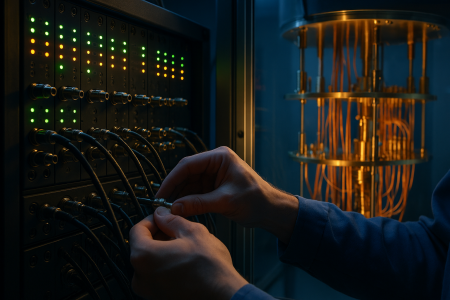
The CLOPS Count: How Fast a Quantum Computer Actually Runs
 Rafayel
Ask what makes a quantum computer good and most people reach for two numbers: how many qubits it has, and how clean those qubits are. Both matter. Nei...

The Starling Target: IBM's Roadmap to a Fault-Tolerant Machine
Most companies in quantum computing talk in milestones. IBM talks in machines with names. Its published roadmap reads like a flight plan, each stop a...

The Frequency Collision: When Two Qubits Want the Same Note
Picture a choir where every singer is assigned a fixed note at birth and can never change it. As long as the voices stay spread across the scale, harm...
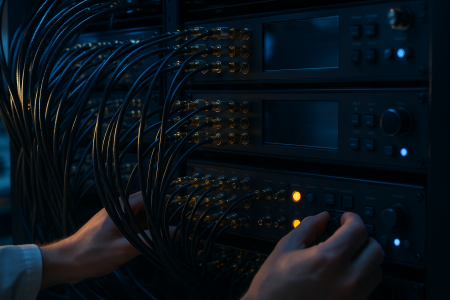
The Noise Dial: How a Quantum Computer Fakes a Cleaner Answer
Ask a quantum computer to do anything useful right now and it will hand you back a number that is wrong. Not catastrophically wrong, but polluted by t...
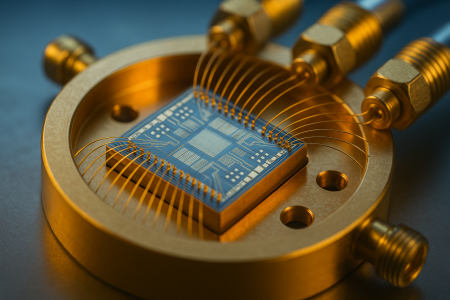
The Cross-Resonance Gate: How IBM Entangles Qubits That Never Move
Every useful quantum program eventually needs two qubits to talk. A single qubit can rotate and twirl all day, but entanglement, the resource that mak...
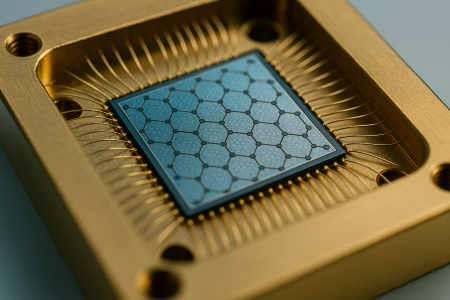
The Heavy-Hex Grid: Why IBM Spread Its Qubits Thin
Look at a photograph of one of IBM's quantum processors and you might expect a dense mesh, every qubit wired to as many neighbors as possible. Instead...
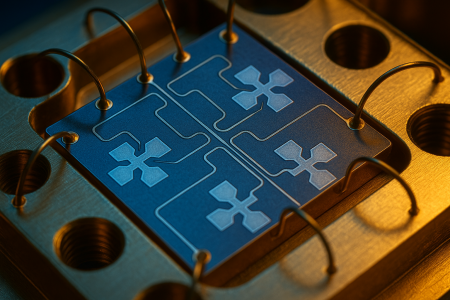
The Transmon: The Charge-Shy Qubit That Runs the Cloud
If you log into a quantum computer today through IBM's cloud, Google's lab, or a Rigetti processor, odds are you are talking to a transmon. It is the...

The Derivative Price: The Monte Carlo Gamble a Quantum Computer Wants to Shorten
Ask a bank what a complicated option is worth and, behind the scenes, a computer starts rolling dice. Not literally, but close. To price a derivative...
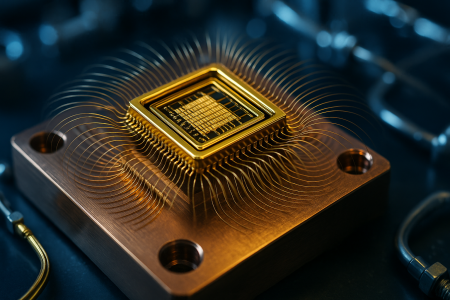
The Quantum Volume Test: The Square That Sizes Up a Whole Machine
Ask how big a quantum computer is and most people reach for a single figure: the number of qubits. It is the easiest thing to advertise and one of the...

The Utility Era: When a Noisy Quantum Computer Earned Its Keep
For years the story of quantum computing had two chapters. In the first, machines were toys: a handful of qubits solving problems any laptop could cra...
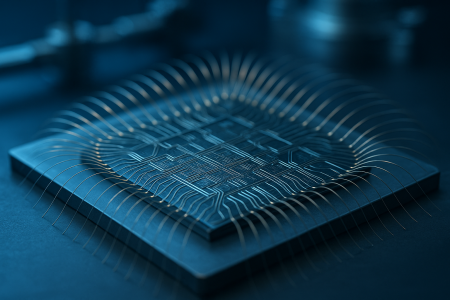
The Bicycle Code: Packing More Logic Into Fewer Qubits
Every quantum computer faces the same brutal arithmetic. Physical qubits are fragile, so you bundle many of them together to make one reliable logical...
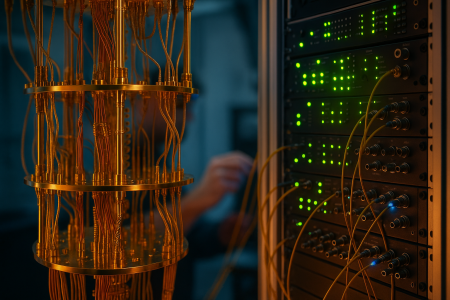
The CLOPS Count: How Fast a Quantum Computer Really Runs
Ask how good a quantum computer is and people reach for two numbers: how many qubits it has and how clean its gates are. Both matter. Neither tells yo...

The Starling Plan: IBM's Roadmap to a Fault-Tolerant Machine
Most quantum computing roadmaps are marketing dressed as engineering. They show a curve climbing toward a million qubits and leave the awkward middle...
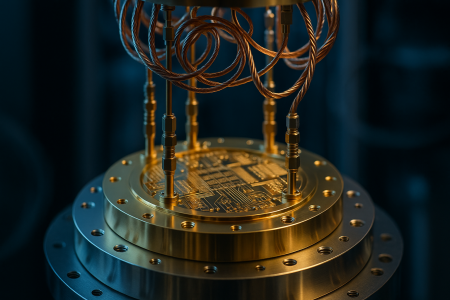
The Quantum Volume Test: Cramming a Whole Machine Into One Number
Ask how good a quantum computer is and the easy answer is a qubit count. Fifty, a hundred, a thousand. It sounds like progress you can rank. But a mac...

The Heavy-Hex Lattice: Why IBM Wired Its Qubits Sparingly
Look at a photograph of one of IBM's superconducting quantum chips and you might expect a dense mesh, every qubit shaking hands with as many neighbors...
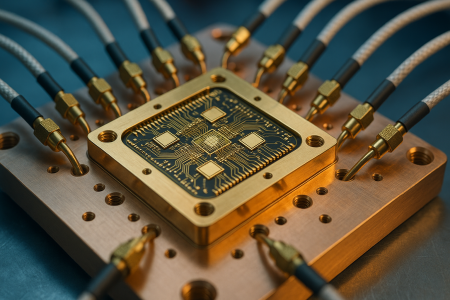
The Cross-Resonance Gate: Entangling Qubits Without Turning a Dial
Every quantum computer needs a way to make two qubits talk to each other. Without a reliable two-qubit gate, you can flip individual qubits all day an...
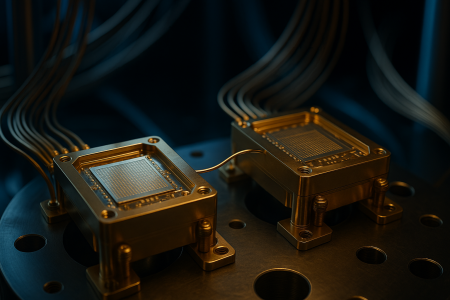
The Quantum Interconnect: Wiring Separate Chips Into One Computer
There is a ceiling on how big a single quantum chip can get. Fabrication yield drops as the wafer grows, wiring gets impossibly crowded, and a chip th...
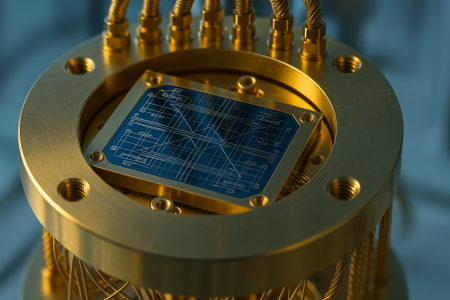
The qLDPC Bargain: The Code That Slashes the Qubit Tax
Every error-corrected quantum computer pays a tax. To keep a single logical qubit alive long enough to finish a calculation, you surround it with a cr...

The Utility Era: What Quantum Computers Can Do Before They're Perfect
For years the quantum computing conversation has been split between two poles. On one end sits the noisy machine of today, error-prone and small. On t...

The Noise Eraser: Cleaning Quantum Results Without Fixing the Qubits
There are two ways to deal with a quantum computer's mistakes. You can fix them, or you can subtract them after the fact. Fixing them means error corr...

The Million-Qubit Promise: How to Read a Quantum Roadmap
Walk through the marketing material of any serious quantum computing company and you will find a roadmap: a horizontal timeline studded with dates, qu...