Companies

The Barium Switch: Why IonQ Traded One Ion for a Brighter One
 Rafayel
Every trapped-ion quantum computer begins with a choice that most users never see: which atom to use. The qubit is a single charged ion held in place...
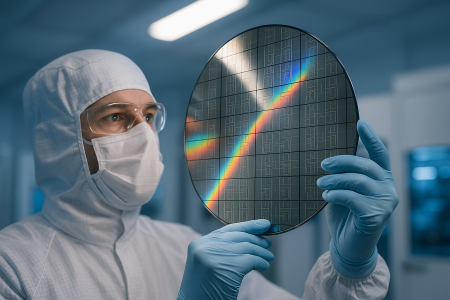
The Foundry Bet: PsiQuantum's Wager on Photons Made Like Computer Chips
Most quantum computing startups begin with a hero experiment: a handful of qubits coaxed into working inside a one-of-a-kind rig, then a long slog to...
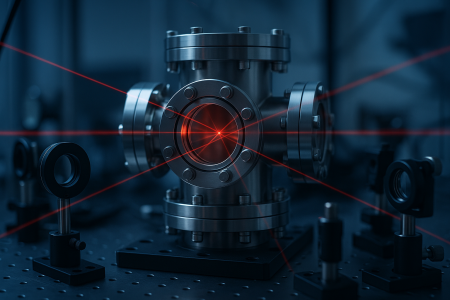
The Analog Shortcut: Pasqal's Bet on Atoms That Skip the Gates
Most quantum computers work the way a classical computer does, at least in spirit. You break a problem into a sequence of discrete logic gates, apply...
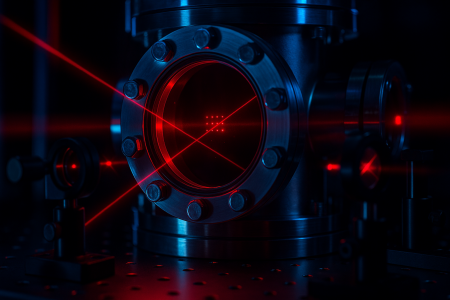
The Zone Shuffle: How QuEra Moves Atoms to Build Logical Qubits
Most quantum computers keep their qubits nailed down. A superconducting chip solders its transmons in place; an ion trap pins its atoms in a line with...
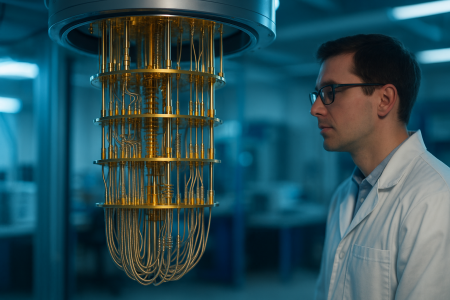
The Annealing Detour: Why D-Wave Skipped the Gate Model
Most quantum computers you read about are trying to be universal. They chain gates together, one operation at a time, to run any algorithm you can com...
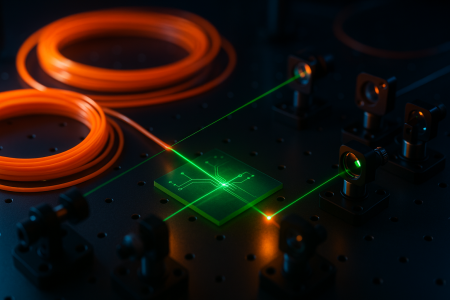
The Squeezed-Light Gambit: Xanadu's Bet on Photons You Can Network
Walk into most quantum labs and you find the same centerpiece: a gold chandelier hanging inside a fridge colder than deep space, guarding a chip of su...
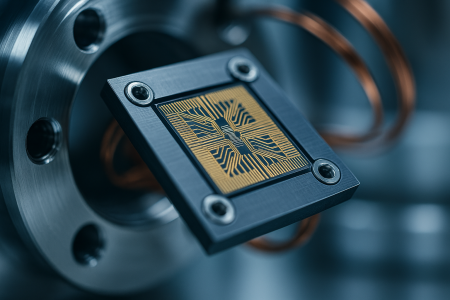
The Etched Trap: Oxford Ionics' Bet on Ions Above a Chip
Most trapped-ion quantum computers look like optics labs that got out of hand. Beams from a dozen lasers thread through mirrors and lenses, each one t...
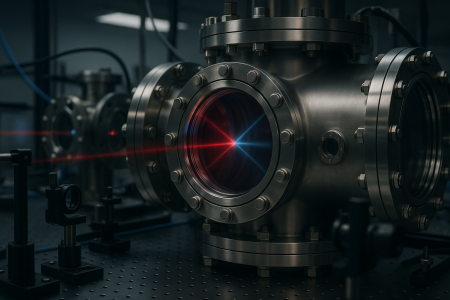
The Thousand-Atom Machine: Atom Computing's Wager on Sheer Scale
In the arms race to build a useful quantum computer, most companies talk about quality first: cleaner gates, longer coherence, fewer errors. Atom Comp...
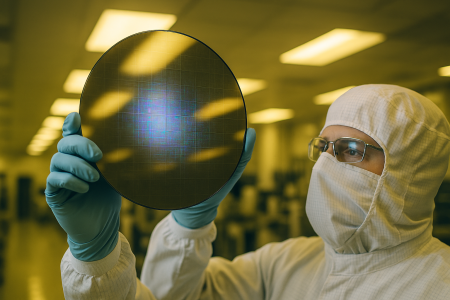
The Million-Qubit Blueprint: PsiQuantum's Bet on Photonic Scale
Ask most quantum hardware teams how many qubits their machine has and you will hear a number in the tens or low hundreds. Ask PsiQuantum the same ques...
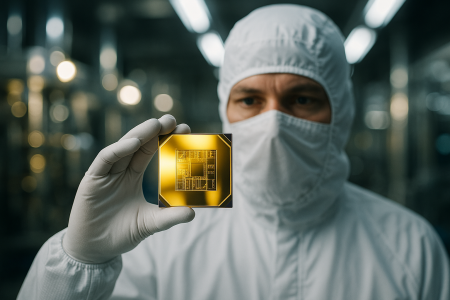
The Fab-1 Bet: Rigetti's Wager on Owning Its Own Qubit Foundry
Ask most people to name a quantum computing company and IBM or Google comes up first. Rigetti Computing is smaller and scrappier, but it made a decisi...
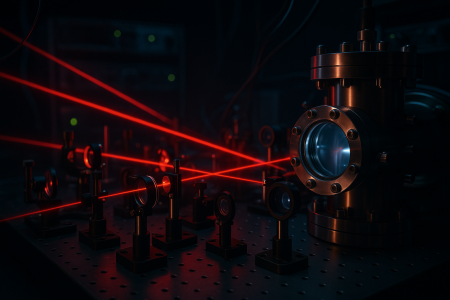
The Atom-Array Upstarts: How QuEra and Pasqal Bet on Neutral Atoms
Ask most people to picture a quantum computer and they imagine a gold chandelier hanging inside a refrigerator, or a chip cooled to a whisker above ab...
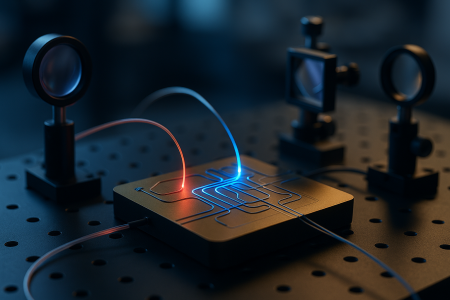
The Room-Temperature Wager: Xanadu's Bet on Photonic Qubits
Walk into most quantum computing labs and you will find a chandelier of copper and gold plating hanging inside a refrigerator colder than deep space....
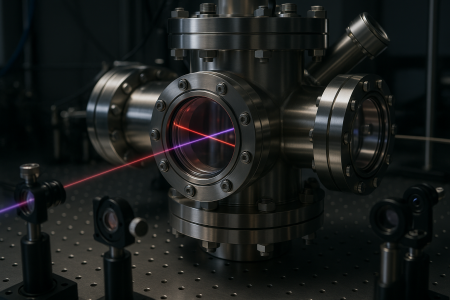
The Algorithmic Qubit: IonQ's Case for Counting Quality
Ask most people how powerful a quantum computer is and they will reach for a single number: how many qubits it has. IonQ, the trapped-ion company that...
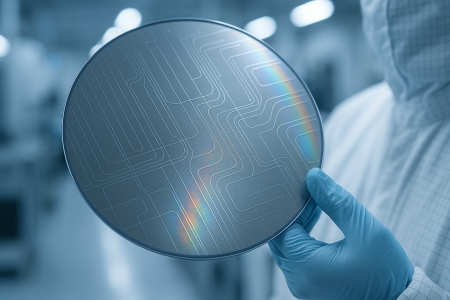
The Foundry Play: PsiQuantum's Bet on Printing Qubits Like Chips
Almost every quantum computing company shares a habit: they release a machine, add a few more qubits, release another, and invite customers to experim...
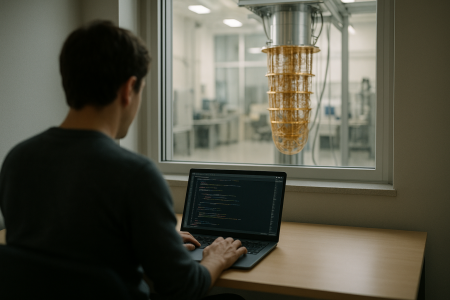
The Cloud Queue: How You Actually Rent Time on a Quantum Computer
Buy a quantum computer and you are also buying a dilution refrigerator, a rack of microwave electronics, a team of physicists to keep it calibrated, a...
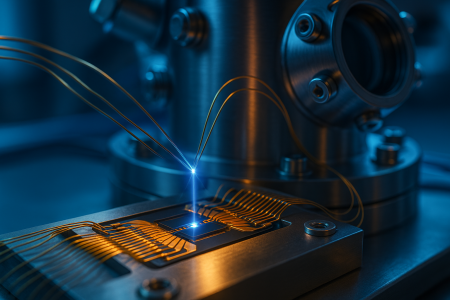
The Honeywell Spinout: How Quantinuum Bet on Trapped Ions
Most people don't associate thermostats and jet engine controls with quantum computing. Yet one of the most quietly influential quantum hardware maker...

Renting a Qubit: How the Quantum Cloud Actually Works
The strangest thing about quantum computing is how ordinary the front door looks. You do not need a cleanroom, a physics PhD, or a refrigerator colder...