quantum computing
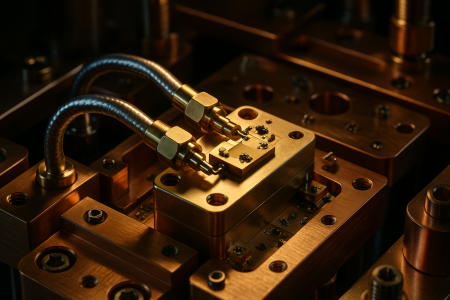
The Quiet Amplifier: Boosting a Qubit's Whisper Without Drowning It in Noise
 Rafayel
Picture trying to hear a single person whisper from across a stadium, with the crowd roaring. That is roughly the challenge of reading out a supercond...
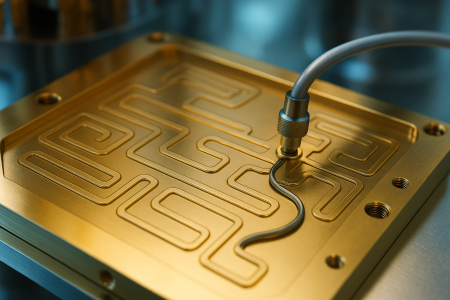
The Shared Wire: How One Cable Reads a Dozen Qubits at Once
Every quantum computation ends the same way: you have to look. After the gates are done, each qubit holds a fragile superposition that collapses the i...
The Noise Dial: How a Quantum Computer Fakes a Cleaner Answer
Ask a quantum computer to do anything useful right now and it will hand you back a number that is wrong. Not catastrophically wrong, but polluted by t...

The SWAP Shuffle: How a Quantum Program Bends to Fit the Chip
Write a quantum algorithm on paper and you can pretend any qubit can interact with any other. Real hardware is not so generous. On a superconducting c...

The Nitrogenase Riddle: The Enzyme Quantum Computers Hope to Decode
Every spring, farmers spread fertilizer made in factories that run hot enough to melt lead and squeeze gas at hundreds of times atmospheric pressure....

The Derivative Price: The Monte Carlo Gamble a Quantum Computer Wants to Shorten
Ask a bank what a complicated option is worth and, behind the scenes, a computer starts rolling dice. Not literally, but close. To price a derivative...

The Lattice Surgery: How Two Protected Qubits Shake Hands
Protecting a qubit is only half the job. Spread one logical qubit across a checkerboard of hundreds of physical qubits, wrap it in the error-correctin...
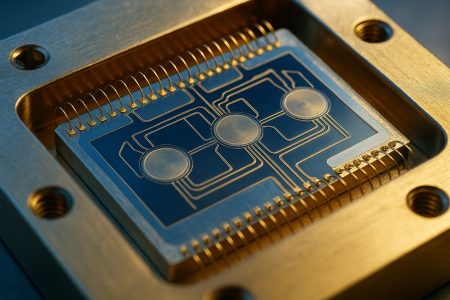
The Repetition Code: The Toy Cipher That Taught Qubits to Fix Themselves
The oldest error-correcting trick in the book is also the dumbest, and that is exactly why it is a good place to start. If you want to send a single b...
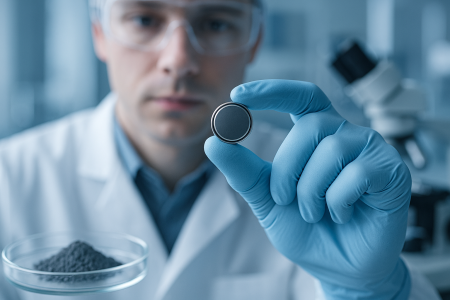
The Battery Cathode: The Chemistry Quantum Computers Want to Crack
Every electric car, phone, and grid storage bank runs on a chemistry problem nobody has fully solved. Inside a lithium-ion battery, ions shuttle back...
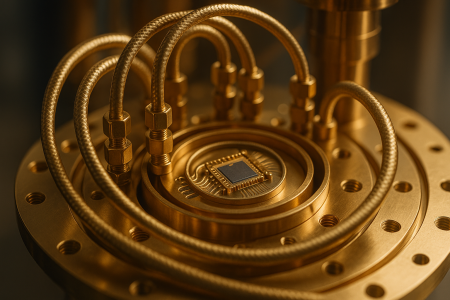
The Noise Rewind: How a Quantum Computer Fakes a Cleaner Answer
There are two ways to deal with the errors that plague a quantum computer. One is to fix them outright, spreading a single unit of information across...
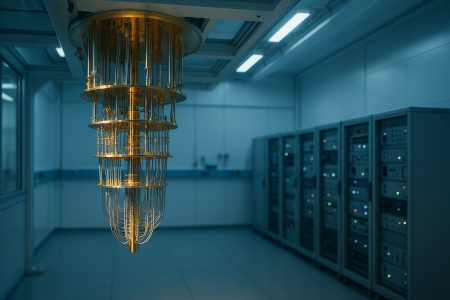
The Watt Gap: Why a Quantum Computer Sips Power a Supercomputer Guzzles
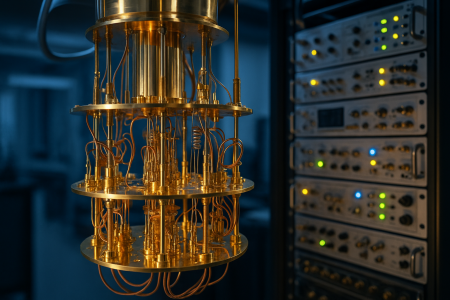
Walk into a room housing a superconducting quantum computer and your first assumption is probably wrong. The gleaming gold chandelier hanging inside t...
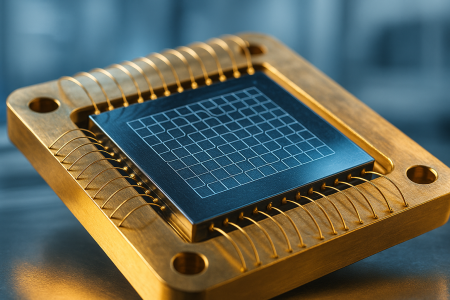
The Surface Code: The Checkerboard That Guards a Qubit
Every serious plan for a large quantum computer, from Google's superconducting chips to the neutral-atom machines being built by startups, leans on th...
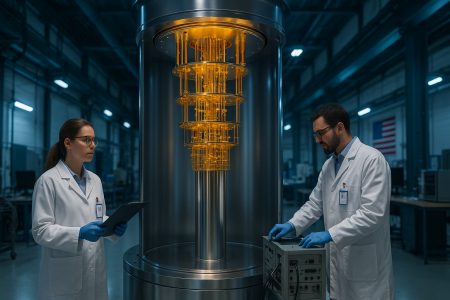
The Sovereign Machine: Why Countries Race to Own a Quantum Computer
For years, the easiest way to touch a quantum computer was to open a laptop and log into someone else's. IBM, Google, and a handful of startups put th...

The Portfolio Problem: What Wall Street Wants From a Quantum Computer
Long before a quantum computer could do anything a laptop couldn't, the biggest banks had already signed up for access. JPMorgan, Goldman Sachs, HSBC...
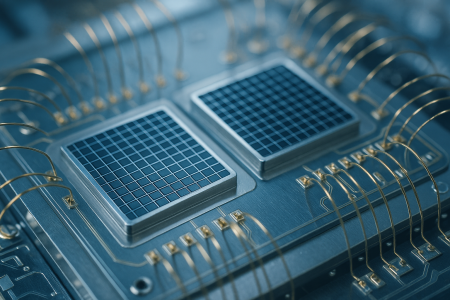
Lattice Surgery: How Two Protected Qubits Actually Touch
Building a reliable qubit is only half the battle. Once you have wrapped a fragile piece of quantum information inside a surface code, spreading it ac...
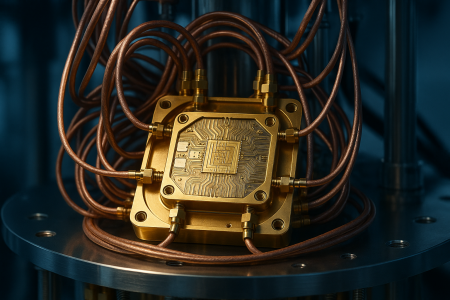
The Reset Problem: How a Quantum Computer Empties Its Qubits Between Runs
A quantum computer rarely runs a program just once. It runs the same circuit hundreds or thousands of times, collects the statistics, and reads an ans...
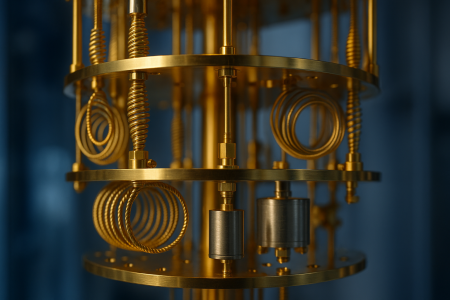
The Faint Whisper: The Amplifiers That Hear a Qubit Speak
When a superconducting qubit finishes a calculation, it has to tell you what it holds. It does this by nudging a tiny microwave signal, a pulse so wea...
The CLOPS Count: Why a Quantum Computer's Speed Matters as Much as Its Qubits
Almost every quantum computing announcement leads with the same number: how many qubits. It is an easy figure to compare, and it feels like progress....

The Million-Qubit Promise: How to Read a Quantum Roadmap
Walk through the marketing material of any serious quantum computing company and you will find a roadmap: a horizontal timeline studded with dates, qu...

The Calibration Treadmill: Why a Quantum Computer Is Never Done Being Tuned
Picture a piano that slips out of tune not once a year but every few hours, with 100 keys that each drift in their own direction. Now imagine you cann...

The Monte Carlo Shortcut: Why Banks Keep One Eye on Quantum Computers
Ask a bank how it prices a complicated derivative or measures the risk in a portfolio, and the answer usually involves brute force. The math is too ta...