Qubits
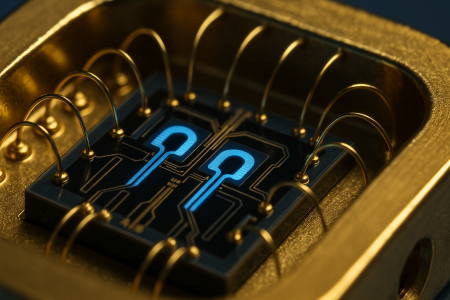
The Erasure Trick: Turning Qubit Errors Into Known Blanks
An error you can see coming is easier to handle than one that strikes in the dark. That simple intuition is behind one of the more interesting shifts...
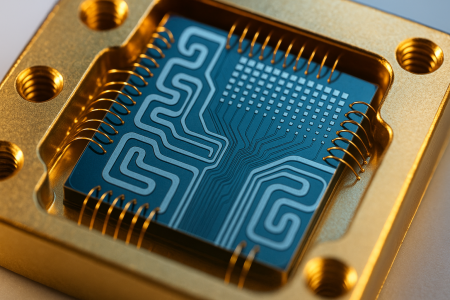
The Fluxonium Qubit: The Slower Cousin That Refuses to Forget
Walk into almost any lab building a superconducting quantum computer and you will find the same workhorse qubit: the transmon. It is the design behind...
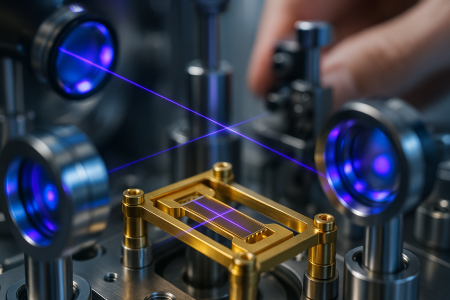
The Algorithmic Qubit: IonQ's Bet That Only Working Qubits Count
Every quantum computer maker likes to lead with a big number. So many qubits, up from so many last year. It is the easiest figure to print and the lea...
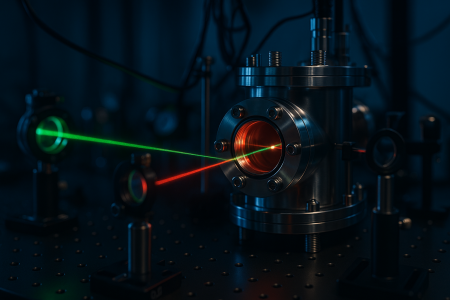
The Barium Bet: Why Ion-Trap Machines Are Switching Atoms
Every trapped-ion quantum computer starts with a choice most people never see: which atom to trap. The qubit is not built, it is borrowed from nature,...
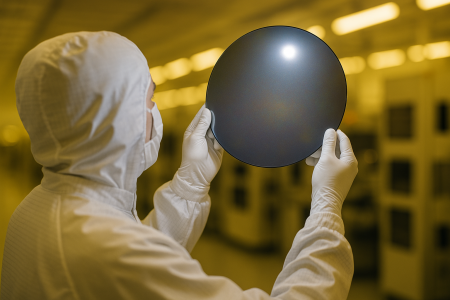
The Silicon Spin: Intel's Bet on Qubits From a Chip Fab
Walk into a modern semiconductor fab and you find an industry that has spent decades learning to print features smaller than a virus, millions of time...
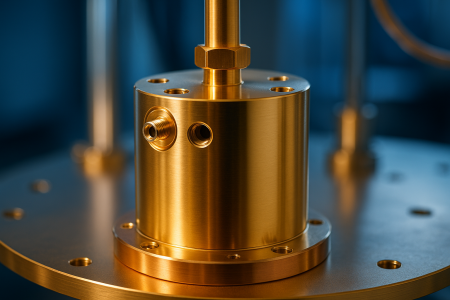
The Cat Qubit: The Bet That Half the Errors Just Vanish
Most qubits fight two enemies. A bit flip turns a 0 into a 1, and a phase flip scrambles the delicate relationship between the two states. Any error-c...
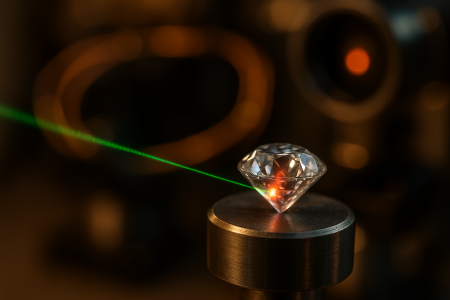
The Diamond Defect: The Qubit That Might Compute Without a Fridge
Most quantum computers demand a machine the size of a small car to survive: a dilution refrigerator that chills superconducting chips to a hair above...
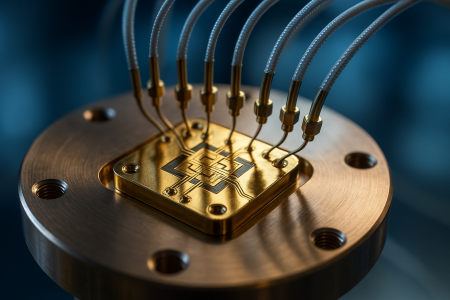
The Spin Echo: The Pulse Trick That Buys a Qubit More Time
A qubit's worst enemy is not a dramatic failure. It is the slow, quiet drift of the world around it. Stray magnetic fields wobble, control lines carry...
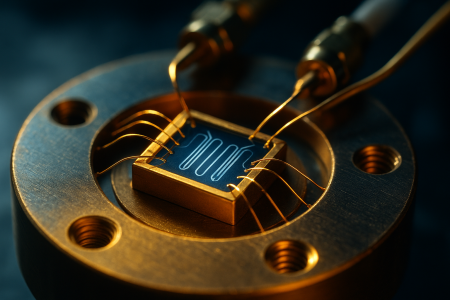
The Topological Gambit: Microsoft's Long Bet on the Braided Qubit
Most quantum computers fight noise from the outside in. Engineers wrap a fragile qubit in shielding, chill it near absolute zero, run constant error c...
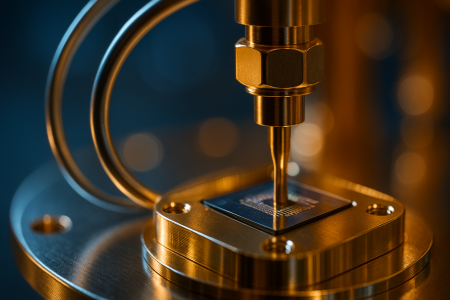
The Rabi Flop: How a Microwave Nudge Rotates a Qubit
Every quantum program, no matter how elaborate, bottoms out in the same humble act: pushing one qubit from where it is to where you want it. On a supe...
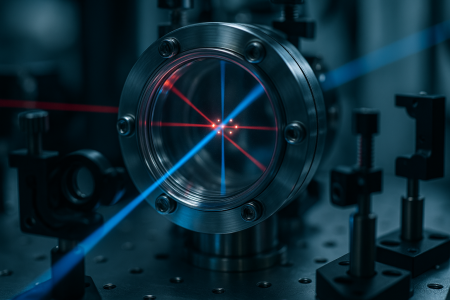
The Rydberg Blockade: How Atom Qubits Talk Without Touching
In a neutral-atom quantum computer, the qubits are individual atoms held motionless by tightly focused laser beams. They don't touch. They aren't wire...
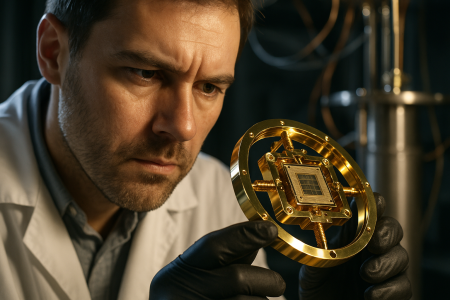
The DiVincenzo Checklist: Five Boxes Every Qubit Must Tick
In 2000, the physicist David DiVincenzo wrote down a short list of requirements that any physical system must meet to work as a quantum computer. It w...
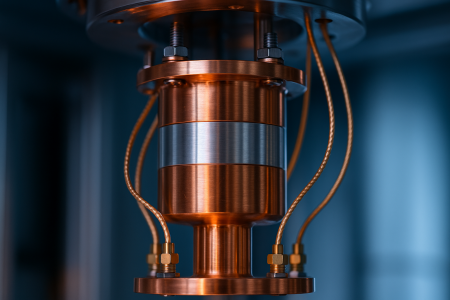
The Grid State: The Qubit Hidden in an Oscillator's Wiggles
Ask most engineers to draw a qubit and they will sketch two levels, a ground state and an excited state, with the quantum information living in the ba...
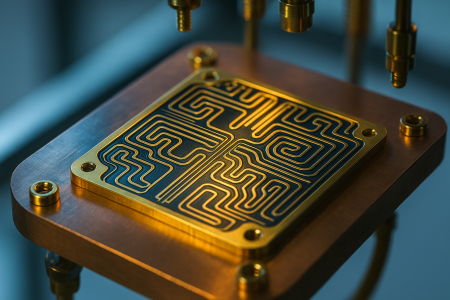
The Leakage Problem: When a Qubit Escapes Its Two States
Every explanation of a qubit starts the same way: it lives in two states, call them 0 and 1, and it can be any blend of the two. That picture is a con...
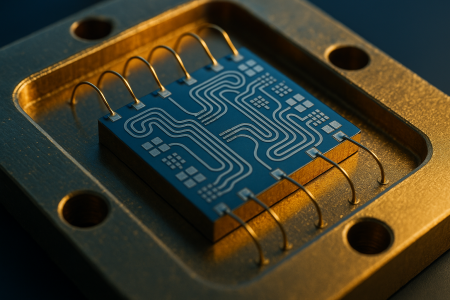
The Fluxonium: The Superconducting Qubit Betting Against the Transmon
If you open up almost any superconducting quantum computer built in the last decade, from IBM's processors to Google's, you will find the same basic i...

The Tantalum Turn: How Swapping Metals Bought Qubits More Time
For most of the last decade, the superconducting qubit was a story about aluminum and niobium. Those were the metals that companies like IBM, Google,...
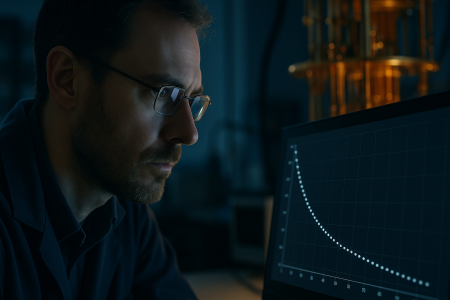
Randomized Benchmarking: How to Grade a Gate You Can't Watch
Every quantum computing company loves to quote a number: 99.9 percent gate fidelity, 99.99 percent, and so on. It sounds like a spec you could read of...
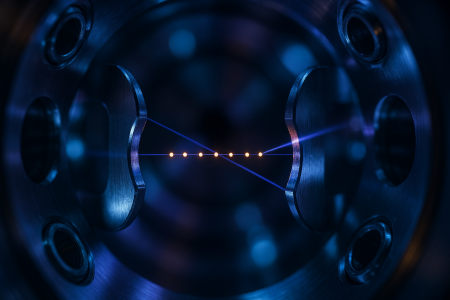
The Mølmer-Sørensen Gate: How Trapped Ions Get Entangled by Laser
Ask a trapped-ion company why its machines post such high two-qubit gate fidelities, and sooner or later the conversation lands on a piece of physics...

The Quantum Dot: Betting a Qubit Can Ride the Chip Industry
Most of the qubits that make headlines are exotic. Superconducting loops need dilution refrigerators, trapped ions float in ultra-high vacuum, neutral...

The Cat Qubit: The Qubit That Makes Only One Kind of Mistake
Most qubits fail in two ways. They can suffer a bit-flip, where a 0 quietly becomes a 1, and they can suffer a phase-flip, where the delicate relation...

The Two Clocks: T1, T2, and How Long a Qubit Remembers
Ask a quantum engineer how good their qubit is and they will almost always answer with two numbers. The first is called T1. The second is called T2. T...