error correction

The Lattice Surgery: How Logical Qubits Join Hands to Compute
 Rafayel
Building one logical qubit out of a grid of physical qubits is hard, but it is a solved idea on paper. The surface code spreads a single unit of quant...
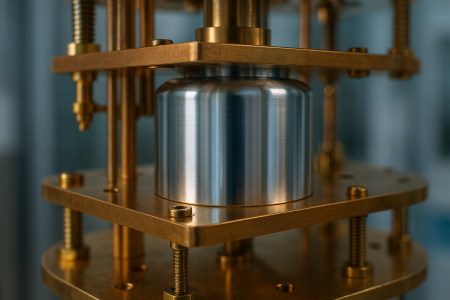
The Grid in the Cavity: Nord Quantique's Bet on Comb-Shaped Qubits
Nearly every qubit you have read about stores information in two states: an ion's two energy levels, a transmon's lowest two rungs, an atom's ground a...
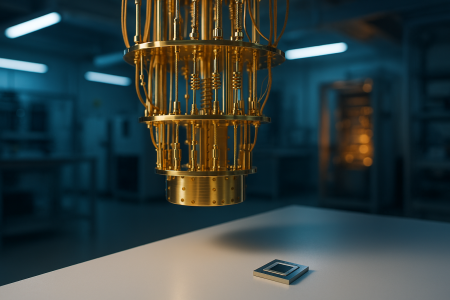
The Six Rungs: Google's Climb From Sycamore to a Million Qubits
Most companies describe their quantum ambitions as a list of qubit counts stretching off into the future. Google Quantum AI tells a different kind of...
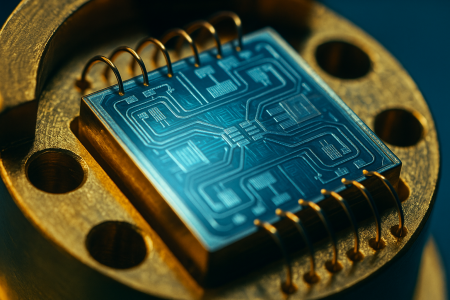
The Leakage Ladder: When a Qubit Climbs Out of Its Lane
A qubit is a promise of simplicity. Two states, zero and one, and nothing in between to worry about. That promise is what makes the whole edifice of q...

The Starling Target: IBM's Roadmap to a Fault-Tolerant Machine
Most companies in quantum computing talk in milestones. IBM talks in machines with names. Its published roadmap reads like a flight plan, each stop a...
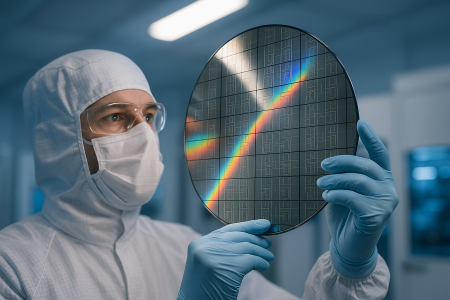
The Foundry Bet: PsiQuantum's Wager on Photons Made Like Computer Chips
Most quantum computing startups begin with a hero experiment: a handful of qubits coaxed into working inside a one-of-a-kind rig, then a long slog to...
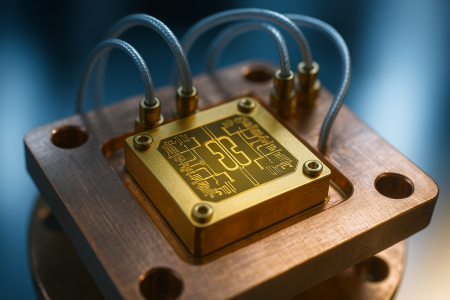
The Cat Qubit: Alice & Bob's Bet on Killing Bit-Flips
Every qubit suffers two basic ways of going wrong. It can flip its value, swapping a 0 for a 1, the way a classical bit does when a cosmic ray or a st...
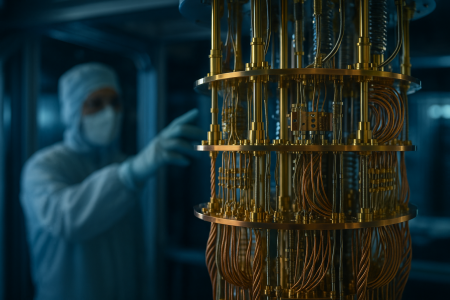
The Magic State Factory: The Costly Fuel of a Fault-Tolerant Computer
Imagine a quantum computer with perfect error correction: every logical qubit is protected by a swarm of physical ones, and stray noise gets caught an...
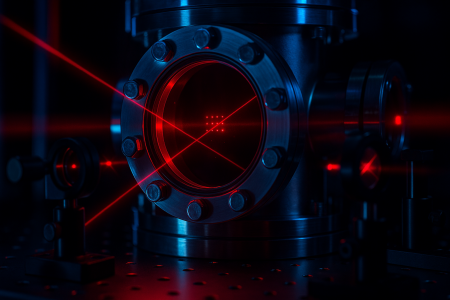
The Zone Shuffle: How QuEra Moves Atoms to Build Logical Qubits
Most quantum computers keep their qubits nailed down. A superconducting chip solders its transmons in place; an ion trap pins its atoms in a line with...
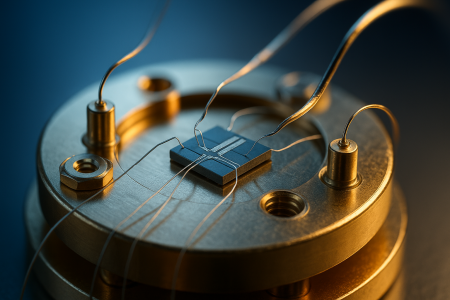
The Braided Qubit: Microsoft's Long Bet on Topological Matter
Most quantum computers fight noise with brute force. You take a fragile physical qubit, surround it with dozens or hundreds of helpers, and run a cons...
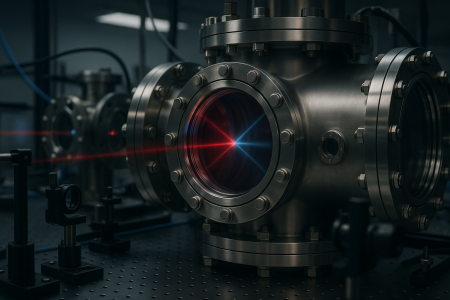
The Thousand-Atom Machine: Atom Computing's Wager on Sheer Scale
In the arms race to build a useful quantum computer, most companies talk about quality first: cleaner gates, longer coherence, fewer errors. Atom Comp...
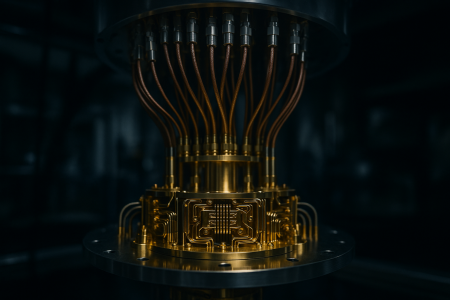
The Willow Chip: When More Qubits Made Fewer Errors
The central promise of quantum error correction has always come with an asterisk. In theory, you can spread one piece of quantum information across ma...
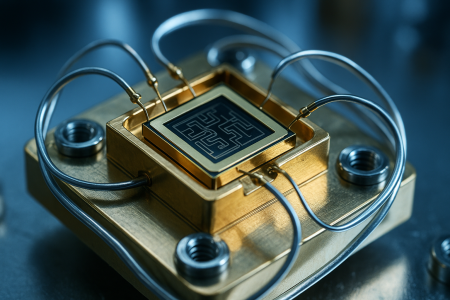
The Leakage Ladder: When a Qubit Climbs Out of Its Two States
A qubit is a fiction the hardware agrees to maintain. Physicists talk about two states, a crisp 0 and 1, but almost every real qubit is carved out of...

The Starling Plan: IBM's Roadmap to a Fault-Tolerant Machine
Most quantum computing roadmaps are marketing dressed as engineering. They show a curve climbing toward a million qubits and leave the awkward middle...
The Cat Qubit: The Bet That Half the Errors Just Vanish
Most qubits fight two enemies. A bit flip turns a 0 into a 1, and a phase flip scrambles the delicate relationship between the two states. Any error-c...
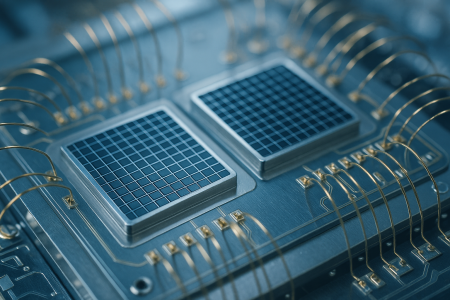
Lattice Surgery: How Two Protected Qubits Actually Touch
Building a reliable qubit is only half the battle. Once you have wrapped a fragile piece of quantum information inside a surface code, spreading it ac...
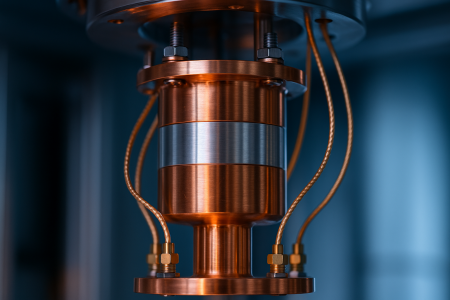
The Grid State: The Qubit Hidden in an Oscillator's Wiggles
Ask most engineers to draw a qubit and they will sketch two levels, a ground state and an excited state, with the quantum information living in the ba...
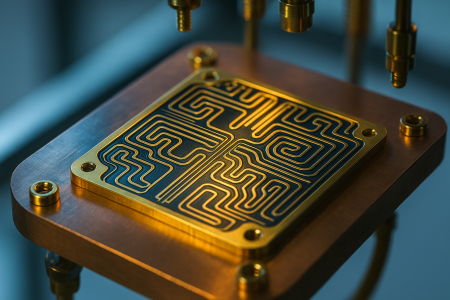
The Leakage Problem: When a Qubit Escapes Its Two States
Every explanation of a qubit starts the same way: it lives in two states, call them 0 and 1, and it can be any blend of the two. That picture is a con...
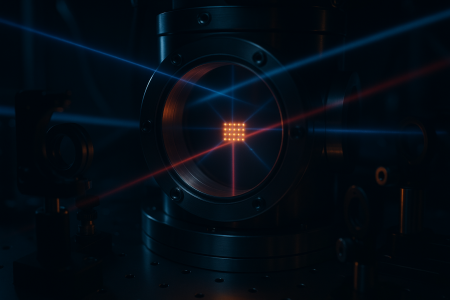
The Erasure Trick: Turning Quantum Errors Into Blanks You Can Spot
Not all quantum errors are created equal. There is a big difference between a qubit that quietly flips the wrong way and a qubit that stops being a qu...
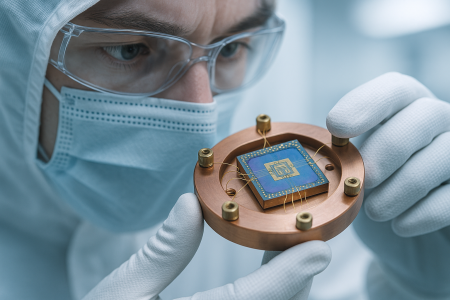
The Cosmic Ray Problem: When Space Radiation Wipes a Quantum Chip
Most of the errors that plague a superconducting quantum computer are local and boring in a useful way. One qubit drifts, a control pulse is a hair to...
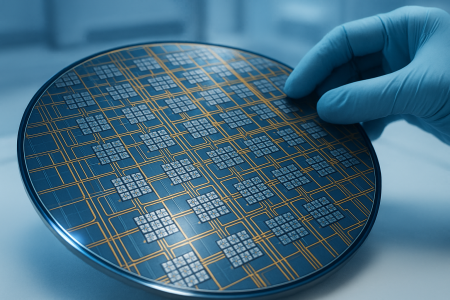
The Logical Qubit: Counting the Ones That Actually Matter
Ask how big a quantum computer is and you will get a number: 100 qubits, 1,000 qubits, someday a million. It sounds like counting transistors. It is n...