
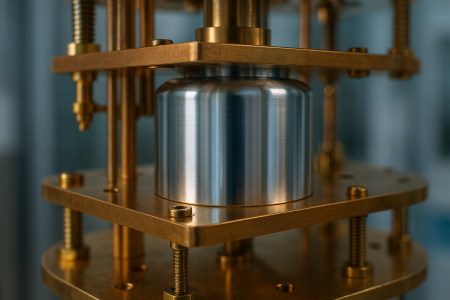
The Grid in the Cavity: Nord Quantique's Bet on Comb-Shaped Qubits
Nearly every qubit you have read about stores information in two states: an ion's two energy levels, a transmon's lowest two rungs, an atom's ground a...
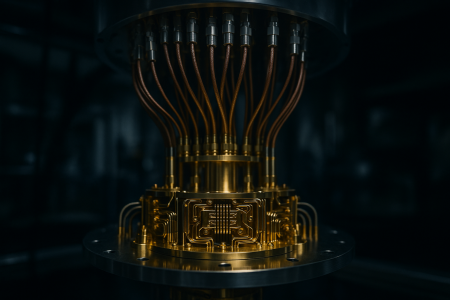
The Willow Chip: When More Qubits Made Fewer Errors
The central promise of quantum error correction has always come with an asterisk. In theory, you can spread one piece of quantum information across ma...
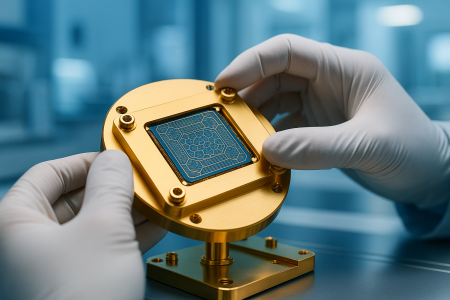
The Color Code: The Surface Code's Leaner Rival
If you follow quantum error correction at all, you have heard about the surface code. It is the workhorse, the default, the design most companies poin...
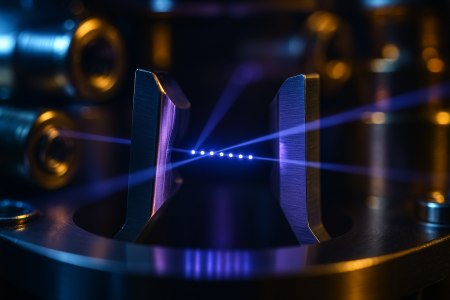
The Mølmer-Sørensen Gate: How Trapped Ions Entangle Through a Shared Wiggle
Two ions floating in a trap, held apart by electric fields, never actually touch. Yet a trapped-ion quantum computer has to entangle them, weaving the...
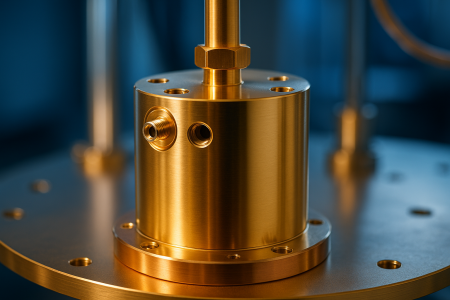
The Cat Qubit: The Bet That Half the Errors Just Vanish
Most qubits fight two enemies. A bit flip turns a 0 into a 1, and a phase flip scrambles the delicate relationship between the two states. Any error-c...
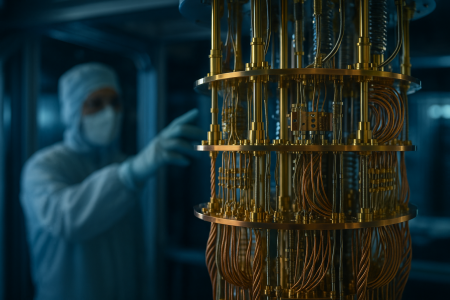
The Magic State Factory: The Costly Fuel of a Fault-Tolerant Computer
Imagine a quantum computer with perfect error correction: every logical qubit is protected by a swarm of physical ones, and stray noise gets caught an...
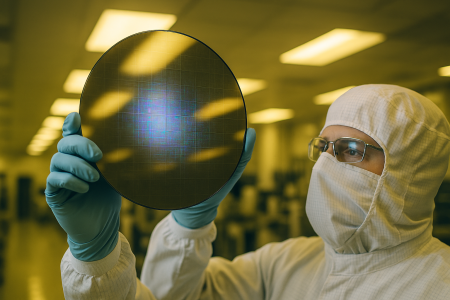
The Million-Qubit Blueprint: PsiQuantum's Bet on Photonic Scale
Ask most quantum hardware teams how many qubits their machine has and you will hear a number in the tens or low hundreds. Ask PsiQuantum the same ques...

The Threshold Theorem: The Promise That Errors Can Be Beaten
Every qubit is a leaky bucket. It forgets its state, picks up stray phase, and misfires on gates. Left alone, a string of them would drown in noise lo...
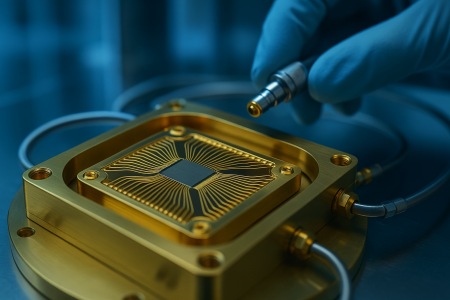
The Mid-Circuit Peek: Reading a Qubit Without Ending the Program
For most of quantum computing's short history, measurement was the final act. You prepared your qubits, ran your gates, and at the very end you read e...
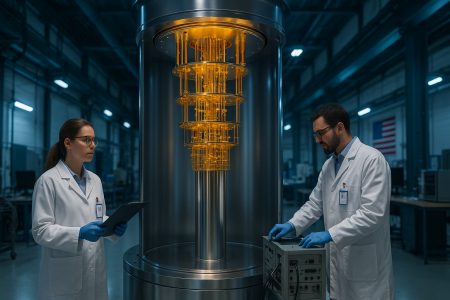
The Sovereign Machine: Why Countries Race to Own a Quantum Computer
For years, the easiest way to touch a quantum computer was to open a laptop and log into someone else's. IBM, Google, and a handful of startups put th...
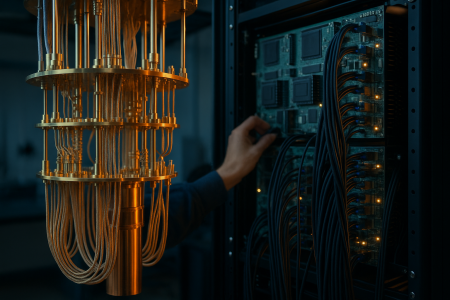
The Decoder's Deadline: The Classical Race to Read Quantum Errors
Ask most people to picture a quantum computer and they imagine a chandelier of gold wires or a chamber of trapped atoms. Almost nobody pictures the or...
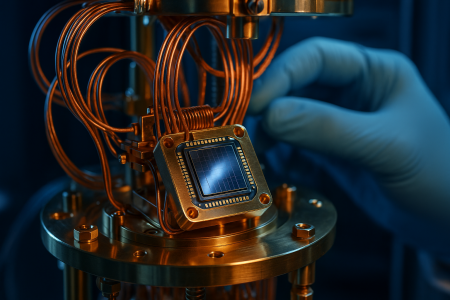
The Magic State Factory: The Costly Ingredient Quantum Computers Must Brew
There is a quiet embarrassment at the heart of quantum error correction. The codes that protect qubits from noise are brilliant at doing certain opera...
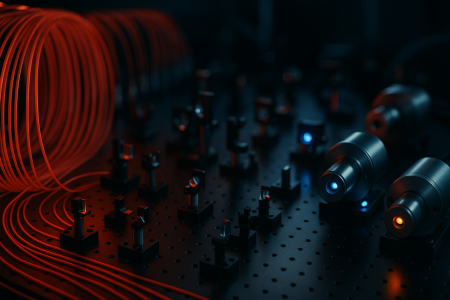
The One-Way Computer: Running a Quantum Program by Measuring It Away
Ask how a quantum computer works and you will usually hear a familiar story. You prepare some qubits, apply a choreographed sequence of gates that rot...
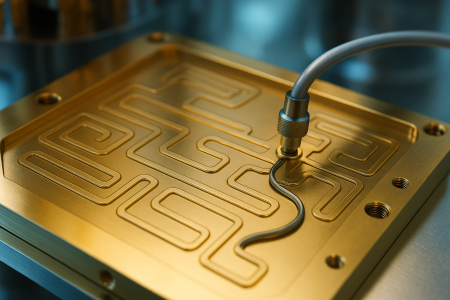
The Shared Wire: How One Cable Reads a Dozen Qubits at Once
Every quantum computation ends the same way: you have to look. After the gates are done, each qubit holds a fragile superposition that collapses the i...
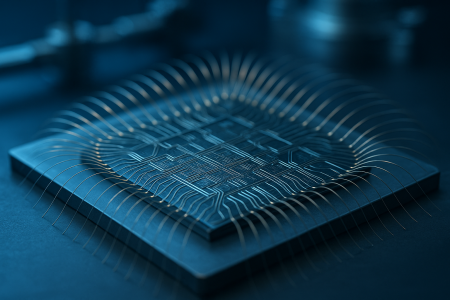
The Bicycle Code: Packing More Logic Into Fewer Qubits
Every quantum computer faces the same brutal arithmetic. Physical qubits are fragile, so you bundle many of them together to make one reliable logical...
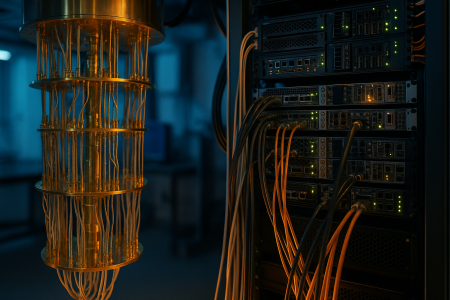
The Decoder Deadline: The Classical Race to Keep a Qubit Corrected
Everyone talks about the qubits. Almost nobody talks about the machine sitting next to them, sweating. Yet without a fast conventional computer runnin...
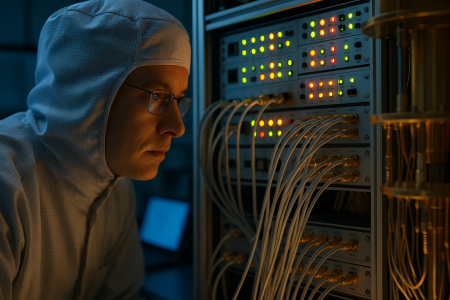
The Daily Retune: Why Every Quantum Computer Drifts Out of Tune
Buy a classical chip and it behaves the same on Tuesday as it did on Monday. A quantum processor does not offer that courtesy. Left alone overnight, i...
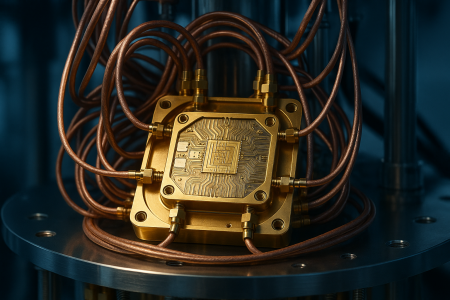
The Reset Problem: How a Quantum Computer Empties Its Qubits Between Runs
A quantum computer rarely runs a program just once. It runs the same circuit hundreds or thousands of times, collects the statistics, and reads an ans...
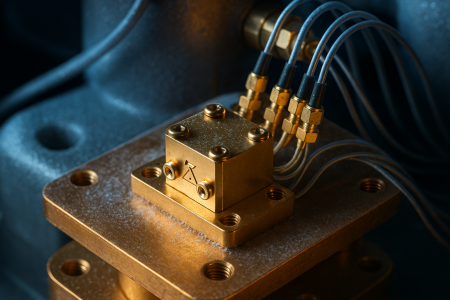
The Quantum Amplifier: Hearing a Single Qubit Over the Roar
Ask a superconducting qubit whether it is a zero or a one, and it will tell you. The trouble is the volume. The signal that leaves a qubit during read...
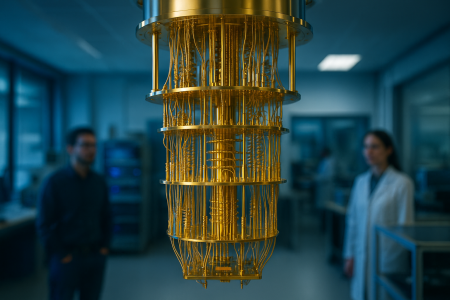
The Zuchongzhi Run: China's Superconducting Bid for Quantum Advantage
When people talk about the race to a useful quantum computer, the conversation usually orbits a handful of American and European names. But one of the...
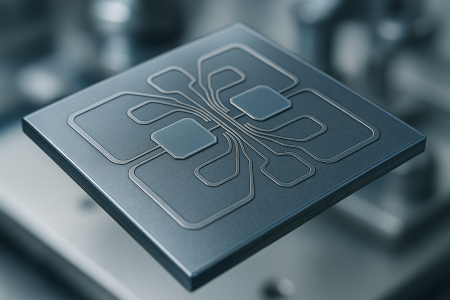
The Tantalum Turn: The Metal That Doubled a Qubit's Memory
For most of the last two decades, superconducting qubits were built from a short list of metals: aluminum for the delicate Josephson junction, and nio...