
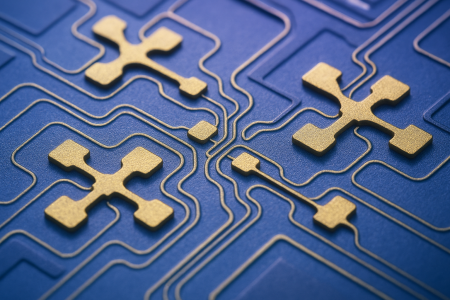
The Tunable Coupler: The Switch That Turns Qubit Chatter On and Off
Two qubits sitting side by side on a superconducting chip have a problem: they can hear each other whether you want them to or not. Physics does not c...

The Open Testbed: Sandia's Trapped-Ion Machine Built for Tinkerers
Rent time on a commercial quantum computer and you get a tidy experience. You submit a circuit, the machine compiles it, runs it thousands of times, a...
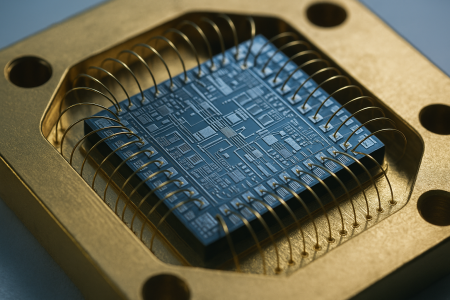
The Yield Problem: Why Two Identical Qubits Don't Exist
Walk through any pitch about quantum computing and you will hear about qubit counts climbing into the hundreds and thousands. What you rarely hear is...
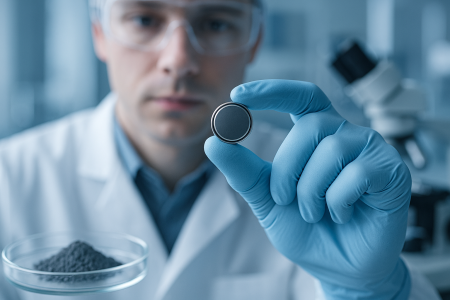
The Battery Cathode: The Chemistry Quantum Computers Want to Crack
Every electric car, phone, and grid storage bank runs on a chemistry problem nobody has fully solved. Inside a lithium-ion battery, ions shuttle back...
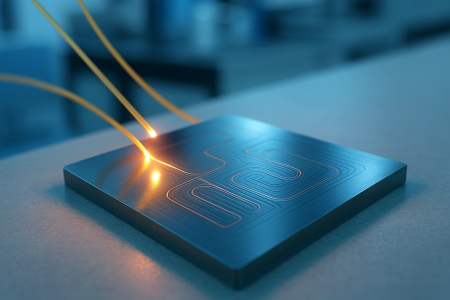
The Photon Path: Building a Quantum Computer Out of Light
Almost every quantum computer you read about stores its information in matter. Superconducting chips freeze tiny circuits to a hair above absolute zer...
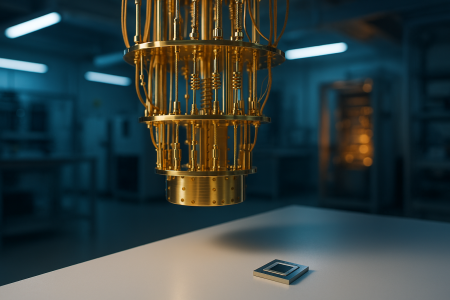
The Six Rungs: Google's Climb From Sycamore to a Million Qubits
Most companies describe their quantum ambitions as a list of qubit counts stretching off into the future. Google Quantum AI tells a different kind of...
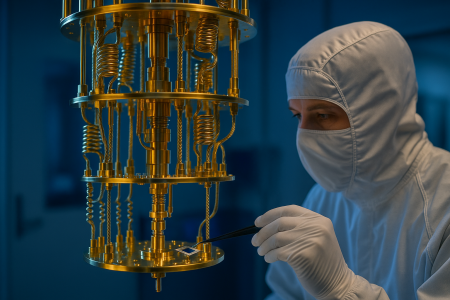
The Topological Bet: Microsoft's Long Shot at a Sturdier Qubit
Nearly every quantum computer in operation today shares a frustrating trait: the information in its qubits is fragile. A stray vibration, a wandering...
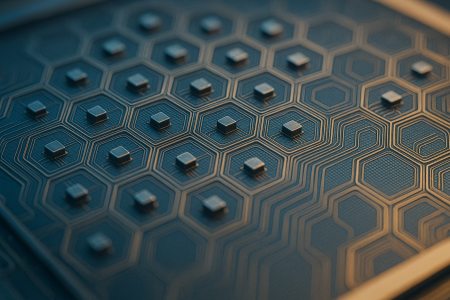
The Heavy-Hex Lattice: Why IBM Wired Its Qubits Sparingly
Look at a photograph of one of IBM's superconducting quantum chips and you might expect a dense mesh, every qubit shaking hands with as many neighbors...
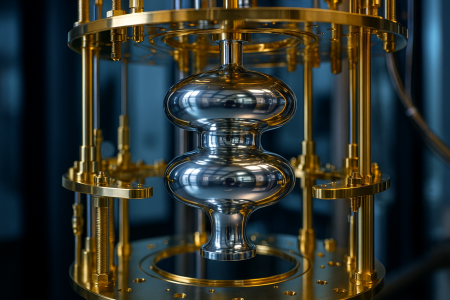
The Cavity That Remembers: Fermilab's Bet on Qubits That Last Seconds
Most qubits forget in a hurry. A good superconducting transmon holds its quantum state for a few hundred microseconds before noise erases it. That is...
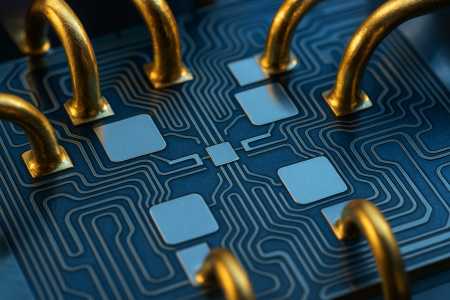
The Tunable Coupler: The Dial That Switches Qubit Chatter On and Off
Two superconducting qubits sitting next to each other on a chip have a problem: they never stop talking. Because they share electromagnetic fields, th...
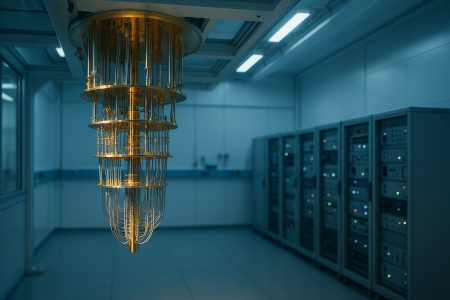
The Watt Gap: Why a Quantum Computer Sips Power a Supercomputer Guzzles
Walk into a room housing a superconducting quantum computer and your first assumption is probably wrong. The gleaming gold chandelier hanging inside t...
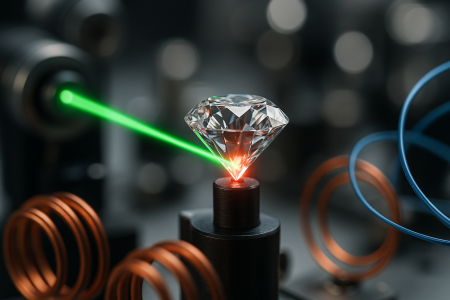
The Diamond Flaw: The Qubit That Runs Warm
Nearly every quantum computer you read about lives inside a refrigerator that hangs like a golden chandelier and chills its chip to a hair above absol...
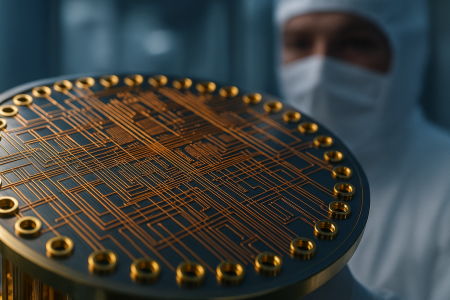
The Threshold Theorem: The Cliff Every Quantum Computer Must Clear
Every quantum computing roadmap rests on a single, quietly demanding piece of math. It says that error correction can drive a machine's failure rate a...
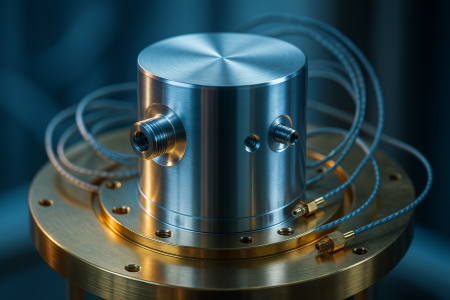
The Grid State: Hiding a Qubit in an Oscillator's Ruler
Most schemes for protecting quantum information look like a committee. Take the surface code: dozens or hundreds of physical qubits huddle together, c...
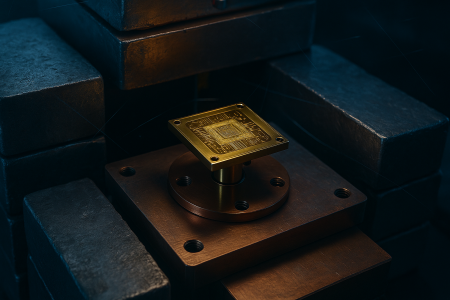
The Cosmic Ray Problem: How Stray Particles Wreck Quantum Chips
Most descriptions of why quantum computers are fragile focus on heat, electrical noise, and the jitter of the qubits themselves. But there is a strang...
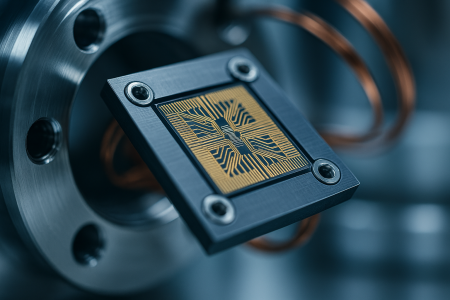
The Etched Trap: Oxford Ionics' Bet on Ions Above a Chip
Most trapped-ion quantum computers look like optics labs that got out of hand. Beams from a dozen lasers thread through mirrors and lenses, each one t...

The Two Clocks: T1, T2, and How Long a Qubit Remembers
Ask a quantum engineer how good their qubit is and they will almost always answer with two numbers. The first is called T1. The second is called T2. T...
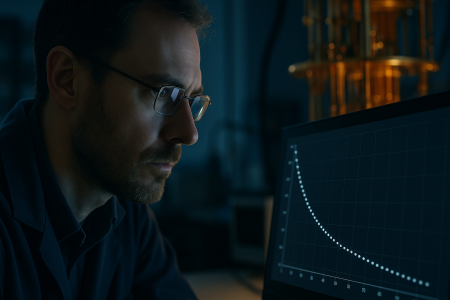
Randomized Benchmarking: How to Grade a Gate You Can't Watch
Every quantum computing company loves to quote a number: 99.9 percent gate fidelity, 99.99 percent, and so on. It sounds like a spec you could read of...

The Qubit Count Trap: Why Bigger Numbers Don't Mean a Better Quantum Computer
Every few months a quantum computing company unveils a chip with more qubits than the last, and the number lands in headlines as if it settles the mat...
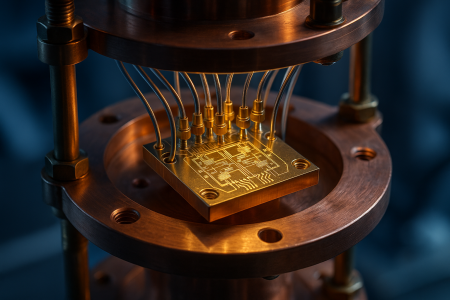
The Calibration Drift: Why a Quantum Computer Retunes Itself All Day
Buy a laptop and it behaves the same on Tuesday as it did on Monday. A quantum processor does not offer that courtesy. Left alone for a few hours, a c...
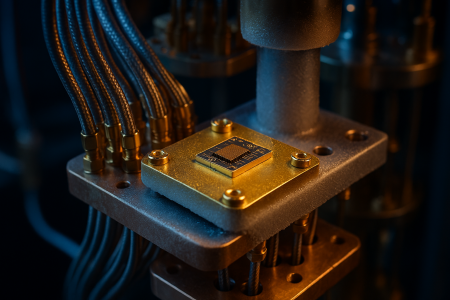
The Cold Controller: Intel's Chip That Runs Qubits From Inside the Fridge
Every superconducting or spin qubit lives at the bottom of a dilution refrigerator, a few thousandths of a degree above absolute zero. But the electro...