
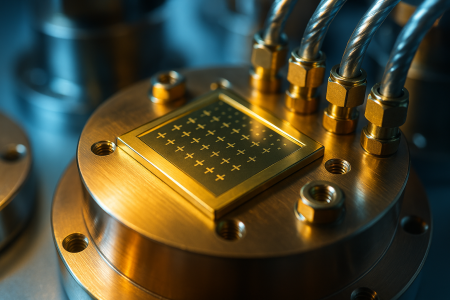
The Two Clocks: T1 and T2, the Timers Every Qubit Races
Ask an engineer how good a qubit is and, sooner or later, two numbers come up: T1 and T2. They sound like model names, but they are timers. Each measu...
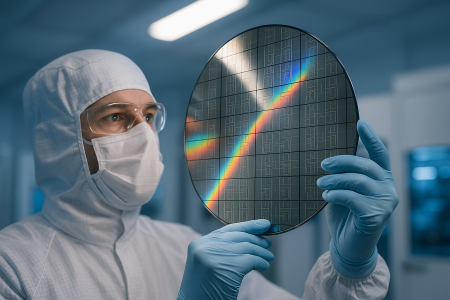
The Foundry Bet: PsiQuantum's Wager on Photons Made Like Computer Chips
Most quantum computing startups begin with a hero experiment: a handful of qubits coaxed into working inside a one-of-a-kind rig, then a long slog to...

The Yield Problem: Why No Two Qubits Come Out Identical
Walk into a chip fab and you expect uniformity. Modern semiconductor plants print billions of transistors that behave the same across a wafer and acro...
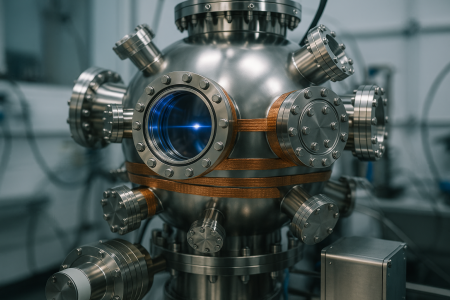
The Vacuum Trap: Why Atom and Ion Quantum Computers Chase Emptier-Than-Space Chambers
Every quantum computer needs to keep the outside world away from its qubits. Superconducting chips do it with cold, sealing themselves inside a diluti...
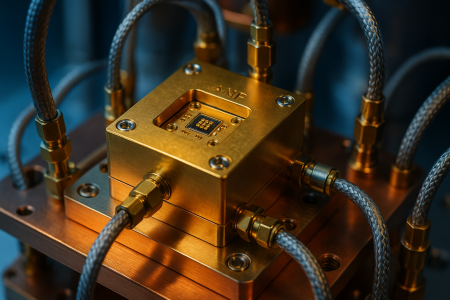
The Quiet Amplifier: How a Qubit's Whisper Survives the Trip Out
When a superconducting quantum computer measures a qubit, it does not read a bright, obvious signal. It reads a faint microwave tone reflected off a t...
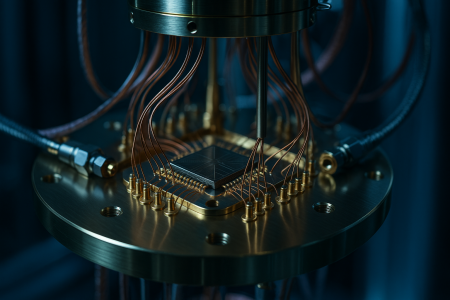
The Cross-Entropy Score: How Google Graded Its Own Quantum Machine
When a quantum computer runs a job no classical machine can copy, an awkward question follows: how do you check that it got the answer right? If the w...
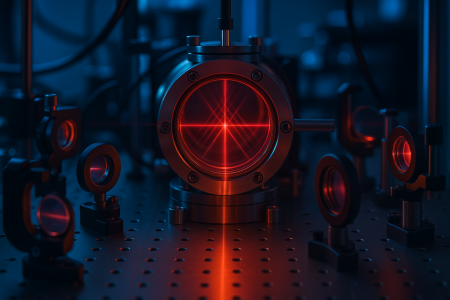
The Analog Route: Quantum Simulators That Skip the Logic Gates
Ask most people to picture a quantum computer and they imagine a circuit: qubits marching through a choreographed sequence of logic gates, one operati...
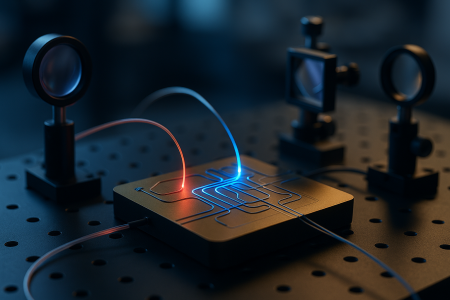
The Room-Temperature Wager: Xanadu's Bet on Photonic Qubits
Walk into most quantum computing labs and you will find a chandelier of copper and gold plating hanging inside a refrigerator colder than deep space....
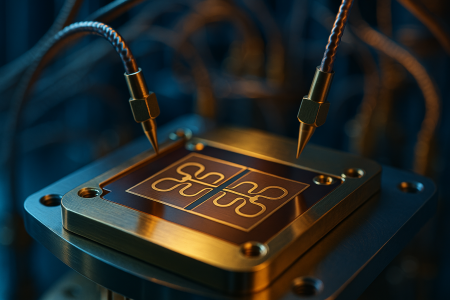
The Entangling Gate: Quantum Computing's Hardest Move
Ask an engineer which part of a quantum computer keeps them up at night, and the answer is rarely the qubits themselves. It is the operation that conn...
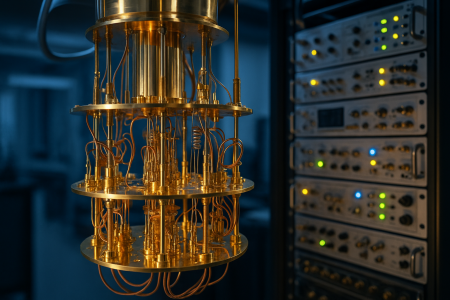
The CLOPS Count: Why a Quantum Computer's Speed Matters as Much as Its Qubits
Almost every quantum computing announcement leads with the same number: how many qubits. It is an easy figure to compare, and it feels like progress....

The Nitrogen Fix: The Enzyme Quantum Chemists Dream of Cracking
Roughly a hundred years ago, chemists learned to pull nitrogen out of the air and turn it into fertilizer. The Haber-Bosch process feeds a large share...
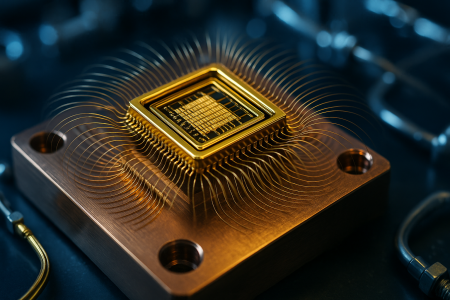
The Quantum Volume Test: The Square That Sizes Up a Whole Machine
Ask how big a quantum computer is and most people reach for a single figure: the number of qubits. It is the easiest thing to advertise and one of the...
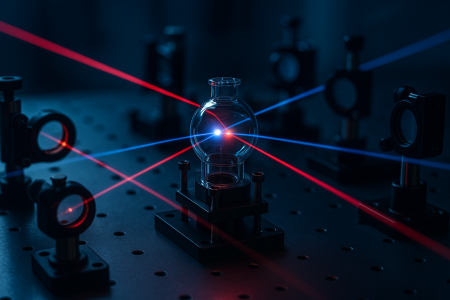
The Rydberg Blockade: Why Two Atoms Refuse to Light Up Together
In a neutral-atom quantum computer, the qubits are single atoms, held in place by tightly focused laser beams and floating in near-perfect vacuum. To...
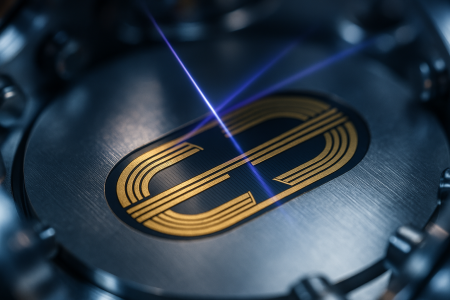
The Racetrack Trap: Quantinuum's Ions That Circle to Compute
Most quantum computers freeze their qubits in place. A superconducting chip nails each one to a fixed spot on the silicon and wires it up for life. Qu...
Dynamical Decoupling: The Pulse Trick That Keeps a Waiting Qubit Alive
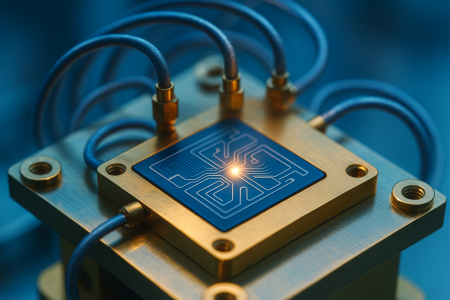
Picture a quantum circuit as a factory floor where some machines are hammering away and others are standing idle, waiting for a part to arrive. In a c...
The Wiring Wall: Why a Million Qubits Can't Each Have Their Own Cable
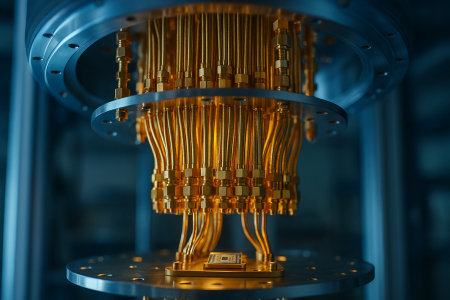
Open the door of a dilution refrigerator and you see the part nobody puts on the brochure: a dense forest of coaxial cables snaking down through gold-...
Circuit Knitting: Faking a Bigger Quantum Computer With Classical Glue
Every quantum processor has a hard ceiling: the number of qubits etched onto its chip. If your algorithm needs 40 qubits and your machine has 30, you...
The Two-Level System: The Tiny Flaws That Drain a Qubit's Life
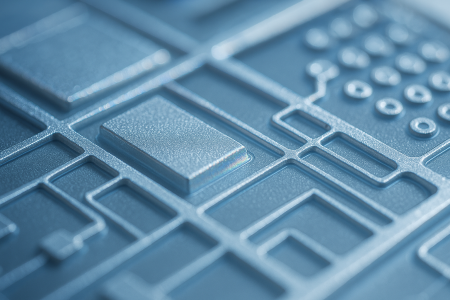
Ask an engineer why a superconducting qubit forgets its state so quickly, and sooner or later the conversation turns to something they can neither see...
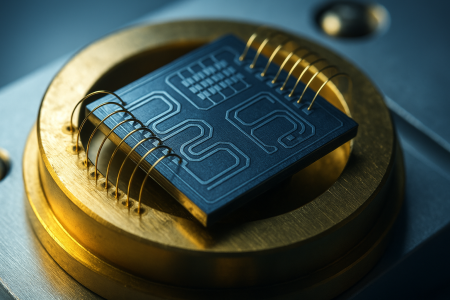
The Fluxonium Challenger: The Superconducting Qubit Gunning for the Transmon
Nearly every superconducting quantum computer you have heard of runs on the same basic building block: the transmon. IBM, Google, and Rigetti all stac...
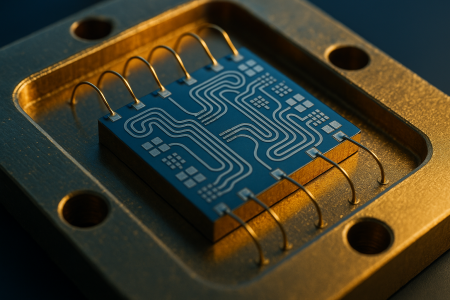
The Fluxonium: The Superconducting Qubit Betting Against the Transmon
If you open up almost any superconducting quantum computer built in the last decade, from IBM's processors to Google's, you will find the same basic i...
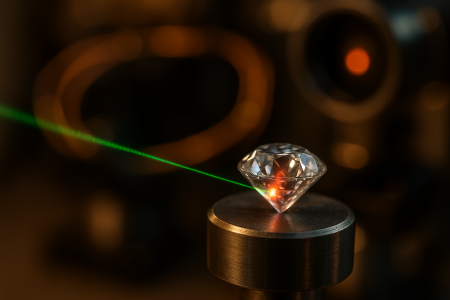
The Diamond Defect: The Qubit That Might Compute Without a Fridge
Most quantum computers demand a machine the size of a small car to survive: a dilution refrigerator that chills superconducting chips to a hair above...